 S P E C I
A L T R A V E L R
E P O R T
S P E C I
A L T R A V E L R
E P O R T |
Jump All photos by the author. |
The Affordable dSLR It's not like hints haven't been dropping throughout this article with clues on every page. If there is a big winner this year, it's the person reading these words off the computer screen. Tag. You're it. The evolution of digital photography has just made you the Big Winner. While the evolution of personal digital photography started with one-megapixel cameras in the spring of 1999, those cameras looked through live image chips the way a video camera sees the world for its operator. Although great efforts have gone into causing these cameras to convert from live viewing to clear still image capturing quickly, every digital Single Lens Reflex benefits from never requiring a live electronic viewfinding image. The image chip can be ready to intercept your favorite photons even before your finger is ready to press the button.
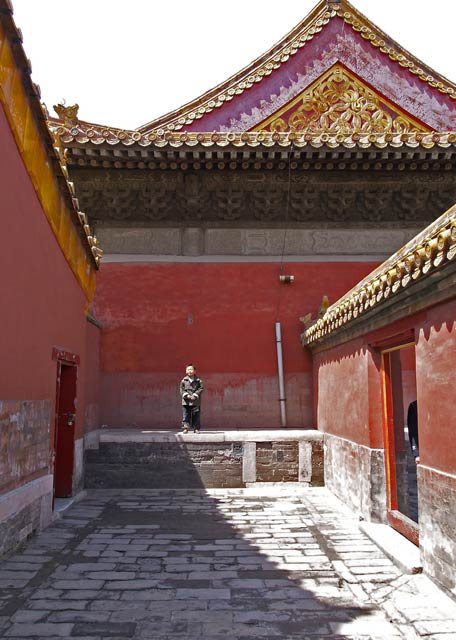 The Last Emperor. Olympus E-1. Last summer the largest practical pixel count was 2592 x 1944 from affordable compact digital cameras. Images from 5M image chips looked very fine, indeed, having passed the threshold of "above photographic realism" which has long been arbitrarily pegged at "300 dpi" by some. I feel a digression coming on...
The reason for these last four paragraphs comes on the heels of the central question, "What makes a photograph photographic?" And with 5M images last summer, even the oldest, least flexible critics had to admit that 2560 camera pixels spread out over ten or fifteen inches of print looked mighty darn photographic. Just as the old myth was being measured for its coffin, the air heated up again. Canon dropped the mega-bomb. Shock and Awe had begun all over again.
 Shanghai crossing. Canon 300D. It's not that the Canon Digital Rebel (EOS 300D or Kiss Digital to you, depending on where your computer screen is located in the world) was such a stunning achievement. After all, their 10D camera at a very affordable price had been around for a while, and Nikon had been delivering their D100 for months, too. 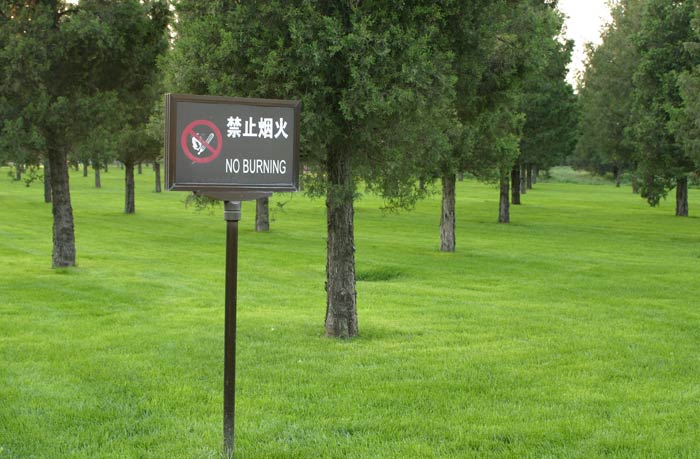 A reminder. Canon 300D. Both of those cameras shoot pictures approximately the same size and detail as the DR, and professional photographers look upon them as nice, decently priced workhorses that anchor their ability to make money by providing images at acceptable commercial sizes. Meaning that they transcend 35mm photography in so many ways that the questions of digital image suitability are dead.  Russian hydrofoil ships asleep. Canon 300D.  Russian hydrofoil ship awake. Canon 300D / Sigma tele zoom. The Kilobuck Stops Here Where Canon's stroke gave hundreds of thousands of photographers a big smile was the price to performance equation. A thousand dollars isn't chicken feed, but it is the target price that all of the top quality compact digital cameras had been--and continue to be--following since Day One of the Digital Photography Revolution.
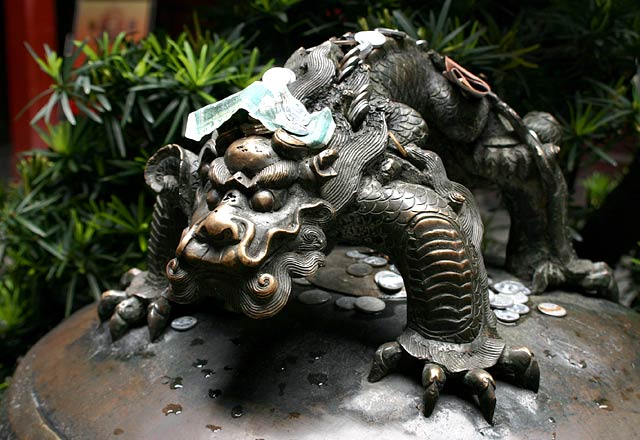 Temple Dragon collecting offerings in Shanghai. Canon 300D.  Temple offerings of incense. Canon 300D / Sigma tele zoom. For instance, the Nikon CP900/950/990/995/5000/5700 and now 8700 all target this magic price point as have the top Fuji, Minolta, Canon and Olympus models over the last several years. One thousand dollars is a universally recognized threshold, and Canon broke it first with a dSLR that included a lens. If the camera had somehow been a dog with easy to fail features and lousy optics, the entire industry would have suffered. But it wasn't. The inevitable corners that had been cut to produce it inexpensively were sound choices. It's plastic on the exterior surface and metal where dimensional rigidity is needed. No dents, but if you whack it hard enough, it might crack. Of course that whack would have dented the 10D.
Its price is tumbling even as I type and the coming prosumer model will likely inherit a huge number of features from the E-1 in an effort to out-attract customers with the offer of "more." Nikon's D70 has appeared and they can't make them fast enough. For a few hundred dollars more than a Digital Rebel, a list of digital features longer than your arm can be acquired with the N-word on it. Minolta has plans to enter the prosumer arena as do Fuji, Pentax (please tell me that "*" isn't pronounced "p-"), Kodak and even the Russians, or maybe not. Magic Combination To recap, the Magic Combination that has provided the Big Win this year is the affordable dSLR that gathers quality images with fast response and interchangeable lenses. It isn't one model or brand, it's an idea whose time has come. Canon's sub-$1000 price point kicked the excuses out from under the industry and we, who take photographs, win Big Time. A dSLR is harder to carry than a pocket compact, so there will always be that strata of camera--often with advanced features--but the larger format chips will always out-perform the smaller ones in terms of noise and tonal range because larger chips can afford larger individual sensors--the photosites that actually see the light. Here's a last gallery of images from the two dSLRs that went to China.
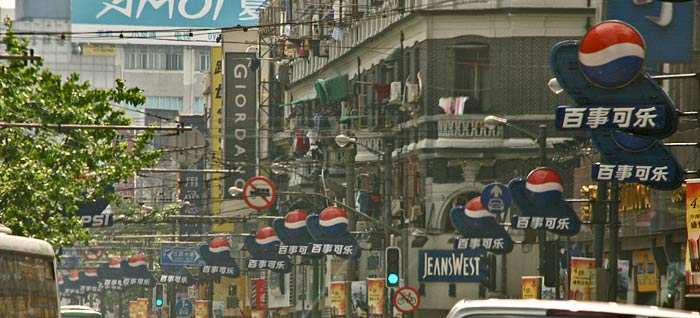 Shanghai. Pepsi, anyone? Canon 300D / Sigma tele zoom. 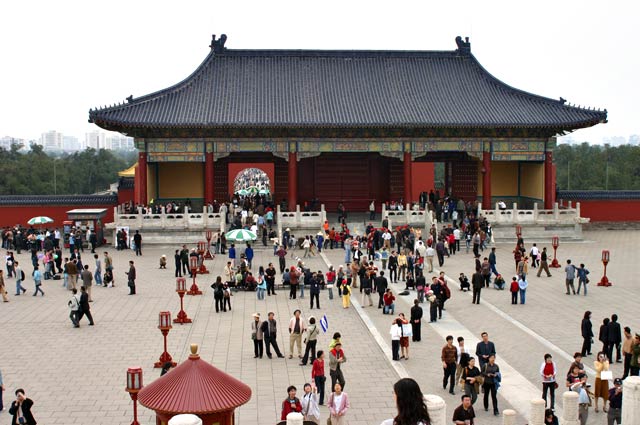 Beijing Tian Tan Park. Canon 300D / Sigma 28-200 zoom at 28mm.  Beijing Tian Tan Park. Canon 300D / Sigma 28-200 zoom at 200mm. 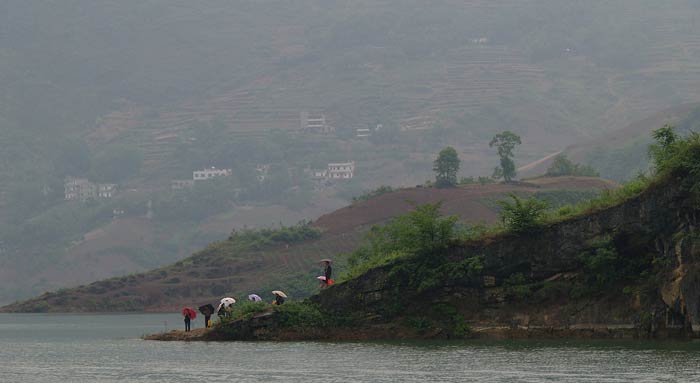 Along the Yangtze, buses look like boats and bus stops look like this. Olympus E-1.  It's only fair. Olympus E-1. 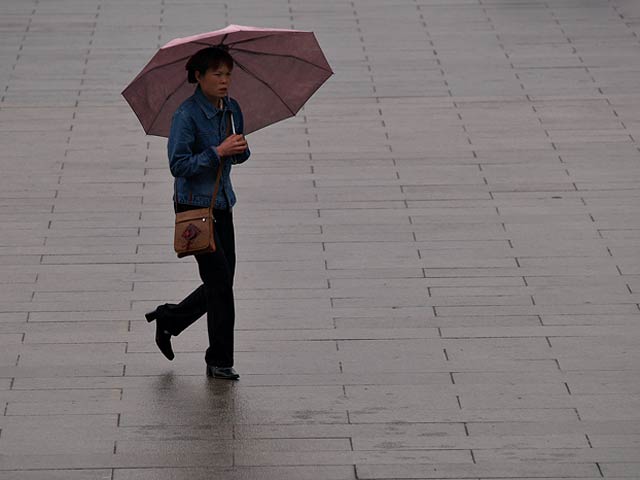 Rain brings out umbrellas. Olympus E-1 / 50-200mm f/2.8-3.5 Zuiko at full tele zoom.  And so does the sun. Olympus E-1. Working With Cameras on Vacation Having a camera as a professional tool, a family documenarian or a means through which travel and memories are enhanced brings three different mind sets and three different types of equipment.  Night traffic, Shanghai. Olympus E-1. The Money
Shots  Girls visiting Tien An Men Square. Olympus E-1. Family
Fotos 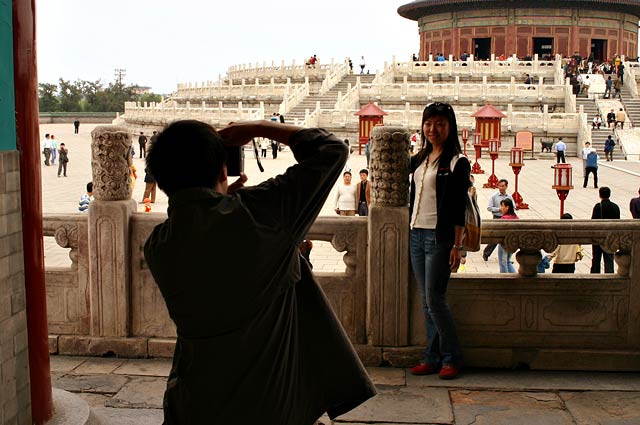 Hold that post! Canon 300D. It suggests that the shot is something that can tolerate several seconds of equipment preparation and that critical timing to the fraction of a second is not the prime feature. For more advanced photo enthusiast equipment the requirements go up a notch. Here a need for longer zoom ranges, faster shutter reaction timing, larger prints and more artistic goals all pull on the decision that purchases the camera. These needs have created the large enthusiast model market for camera that extends up to what is loosely called the Prosumer league. On the
Go  Yangtze wash day. Canon 300D / Sigma lens. You'll never have these first impressions again, so fast capture of the changing world around you is greatly appreciated. But you need to be able to hand the camera to Naomi (or Hank) from time to time to get another point of view involved, so passing to them something that is totally professional requires a moment or five of quick training. Better yet, the camera you hand them is designed to be ergonomically obvious to a novice.
 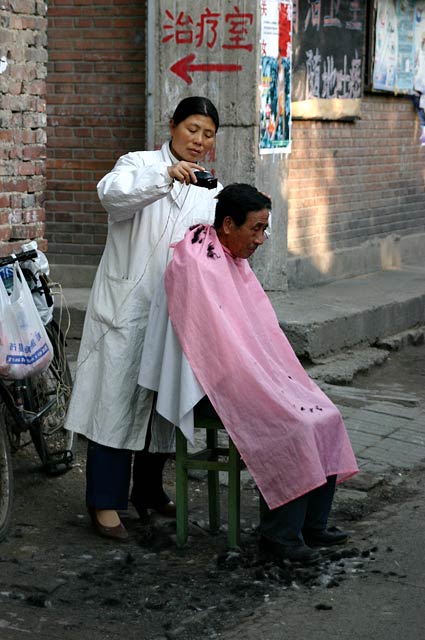  First impressions. Canon 300D Small Encounters
Ergo-tography Everybody's
a photographer / everybody's a model. Single
lens reflex cameras have been accepted by the great majority
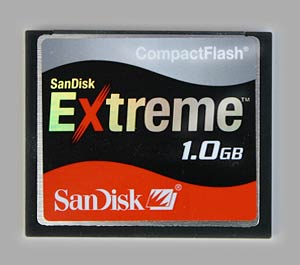
of photographers as being the quickest (By the way, get a fast card for your dSLR. The 1.0GB solid state CF card of choice on this trip was the SanDisk EXtreme you may have read about. Fast camera operation was enhanced to a notable degree with this puppy in all of our cameras over older cards.)  Do children's feet ever actually touch the ground? Olympus E-1. Canon's Digital Rebel shows that a basic dSLR with high picture power doesn't have to include some features (multiple custom registers, one-button manual white balance, high capacity continuous frames, multiple self-timer settings, synch plugs for studio strobes, detailed setup finesses, etc.) that the pros can't live without. This camera was designed by Seiichi Omino who specifically placed its controls into less experienced hands without subtracting useful, often brilliant, features one can grow into. 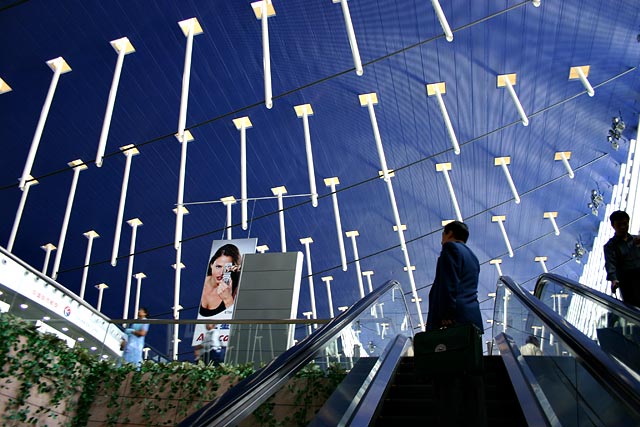 Airport ceiling. Canon 300D Digital Rebel photography is not point-and-shoot. It's viewframeclick all run together when needed and compose / decide / refine / expose when time is on your side. As a first digital camera, you would need six weeks of experience with it before hauling it off to Kenya, but if you have plenty of digital compact camera experience AND SLR experience, your learning curve comes down to about two weeks.
 Shanghai impossible building. Television tower / observation platform / exhibition hall / science fiction prop, etc. It looks like a special effect even when you stand there and see it with your own eyes. Olympus E-1. If true professional photography is your domain, then look upward from the DR in the Canon line or hunt for the Olympus E-1. It's professional features made it more preferred in my hands when the shooting got thick. Lenses are faster, better built and easier to manually focus. No lens or exposure "issues" came up. Auto-focus is faster. Menu ergonomics offer speed and variety. External controls were more direct and quick to participate in acquiring options and the whole camera feels solid to the max. As noted before, its 3:4 aspect image fits the professional cropping practices better than the 2:3 aspect original frames from 35mm dSLR adaptations. If you can front the bread and have no particular backlog of lenses to recycle, this may be the better choice.
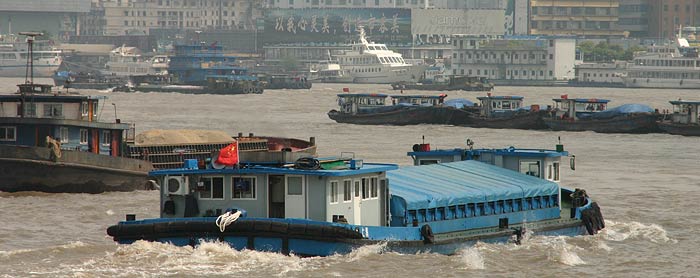 Shanghai boat jam. Canon 300D / Sigma zoom at 200mm. The elephant in the kitchen that was not aboard this trip is the Nikon D70. They had review unit problems (they're selling them too fast and the warehouse was depleted, they say) so the camera simply didn't make it in time to travel.
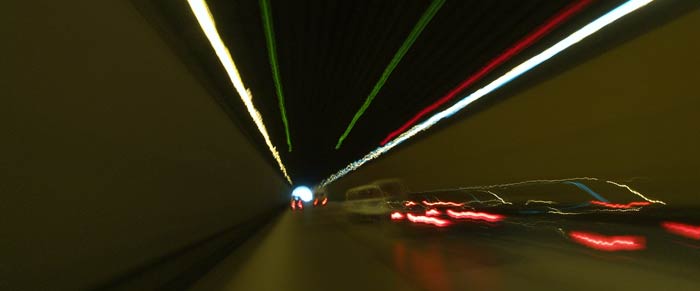 Olympus E-1 From every corner, this camera stands out as a step up from the Canon DR--and costs 30% more, too, for the basic rig. That's the better direction to go if your equipment locker is already full of Nikkor lenses. The dSLR experience with the D70 lifts the bar somewhere upward of the DR giving you unlimited motor drive sequence capture (using that fast SanDisk CF card) with full size frames when Normal compression is selected. With either base-level dSLR you will potentially enjoy a whole new order of magnitude of image gathering and digital photographic satisfaction. 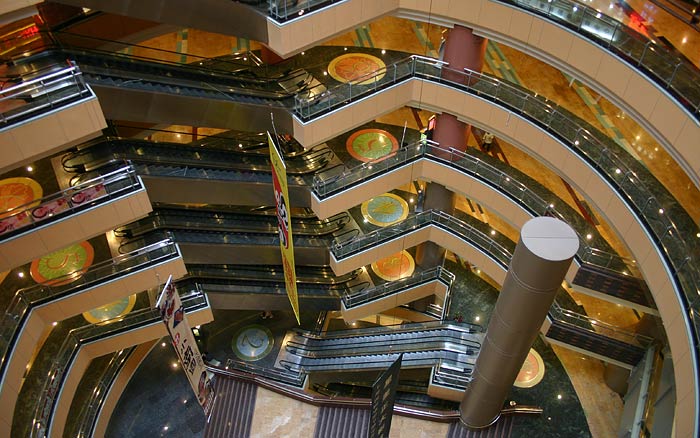 Shanghai shopping center. Canon 300D. Running around with a heavy dSLR rig involves a commitment to physical volume and weight that enthusiast cameras don't impose. Pocket cameras are crawling into the same pixel realms that professional cameras enjoy, so it isn't a pixel race any more. 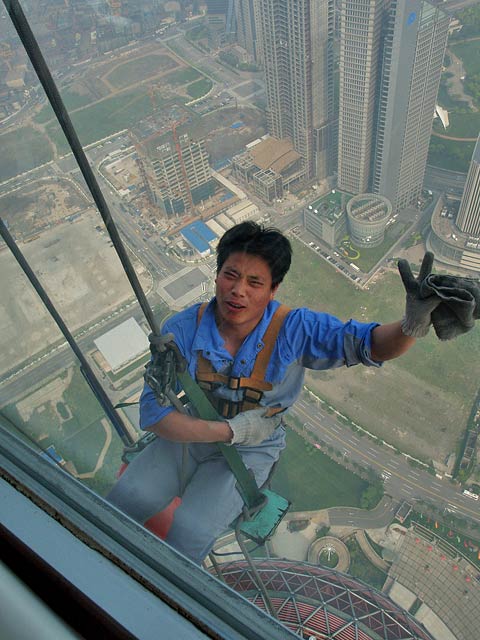 So long. Olympus E-1. Until this year, the entry price to the dSLR experience was simply too high, and serviced a professional market that could justify the fee as a capital expenditure. Now the trend is clear: Professional, Enthusiast and Consumer markets are becoming defined by the sort of physics the photographer needs and will endure. If you want light weight and pocket carry, don't even think about a dSLR. But if you want to see the world through fast-acting eyes, the options for you have just opened up wide indeed. -iNova
All rights reserved. Do not reprint. Do not link to images. Reprinting except for newsworthy mention and brief quotes are by permission only |
 Break
Thorough!
Break
Thorough!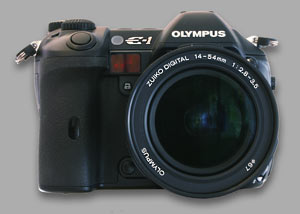 Nor
is the Digital Rebel the end of the story by a long shot. Olympus
is gearing up for a similar price point Four Thirds System camera
by winter, and their excellent professional E-1 dSLR was a delight
to use during the research phase on this article.
Nor
is the Digital Rebel the end of the story by a long shot. Olympus
is gearing up for a similar price point Four Thirds System camera
by winter, and their excellent professional E-1 dSLR was a delight
to use during the research phase on this article.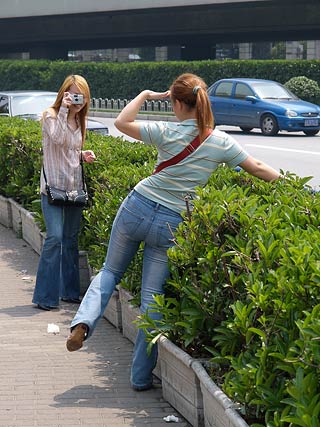 Enthusiastic Images
 to
point and acquire an image, the easiest to understand for framing
and focus and the most desirable in terms of direct viewfinding
through interchangeable optics. They bring an undeniable confidence
that What You See Is What You Get, so professionals have embraced
them almost exclusively and enthusiast photographers have followed
suit.
to
point and acquire an image, the easiest to understand for framing
and focus and the most desirable in terms of direct viewfinding
through interchangeable optics. They bring an undeniable confidence
that What You See Is What You Get, so professionals have embraced
them almost exclusively and enthusiast photographers have followed
suit.
 Get
the eBooks
Get
the eBooks